
(EN version below)
Il Museo: un’opera d’arte
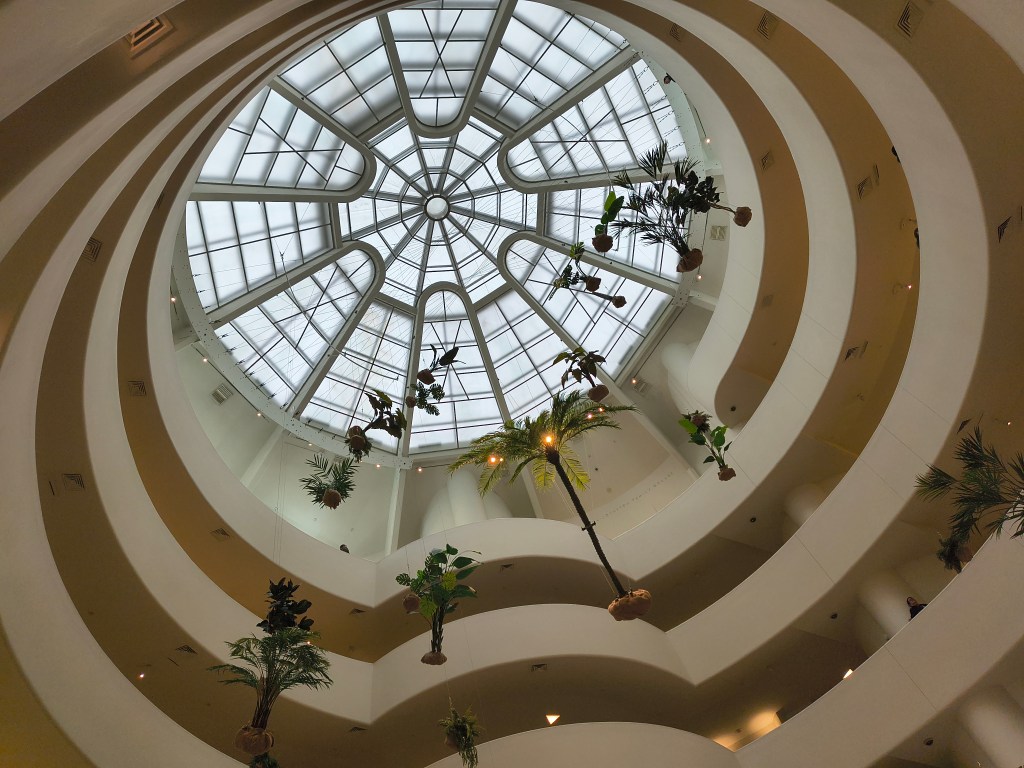
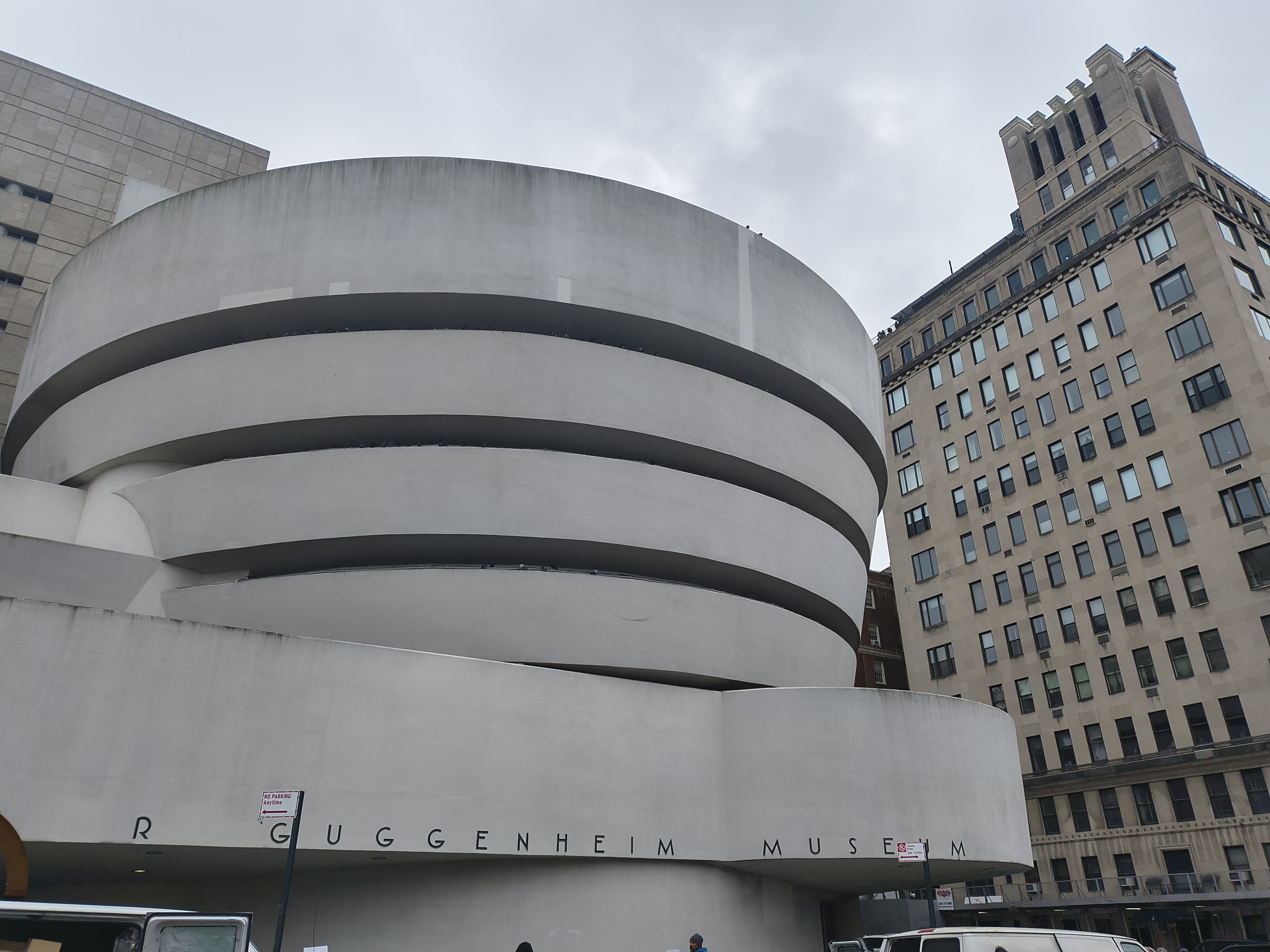
Indescrivibile aver visitato il Guggenheim Museum di New York: un’opera d’arte oltre che d’architettura. Dopo aver ammirato infinite volte le immagini di questo capolavoro di Frank Lloyd Wright nei libri e in diversi articoli, non mi sembrava vero di essere veramente lì davanti e di stare per entrare a visitarlo.
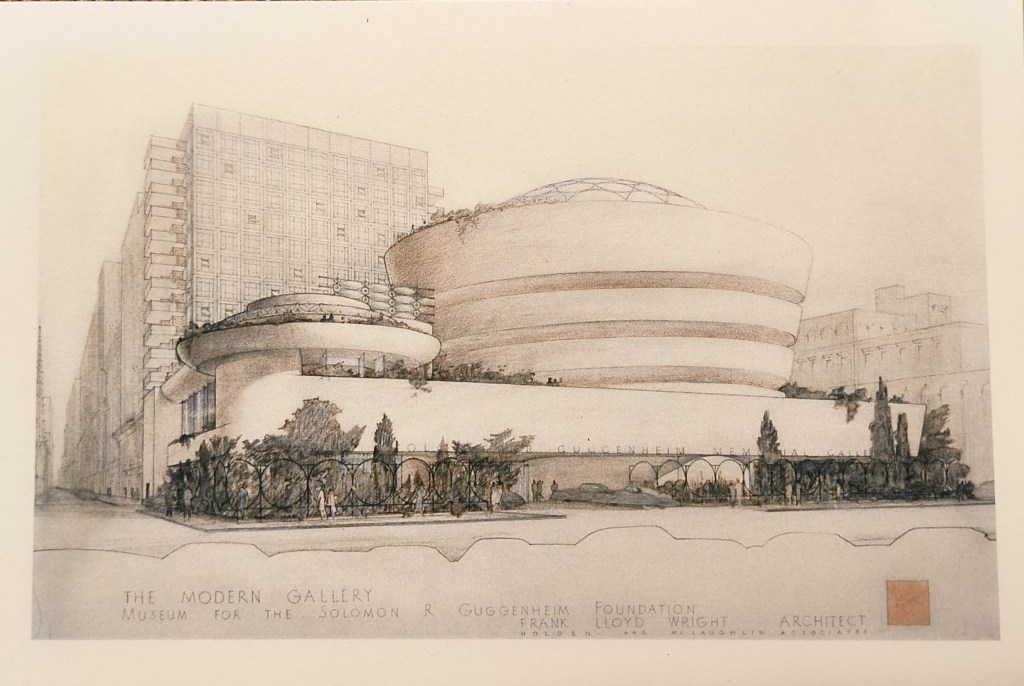
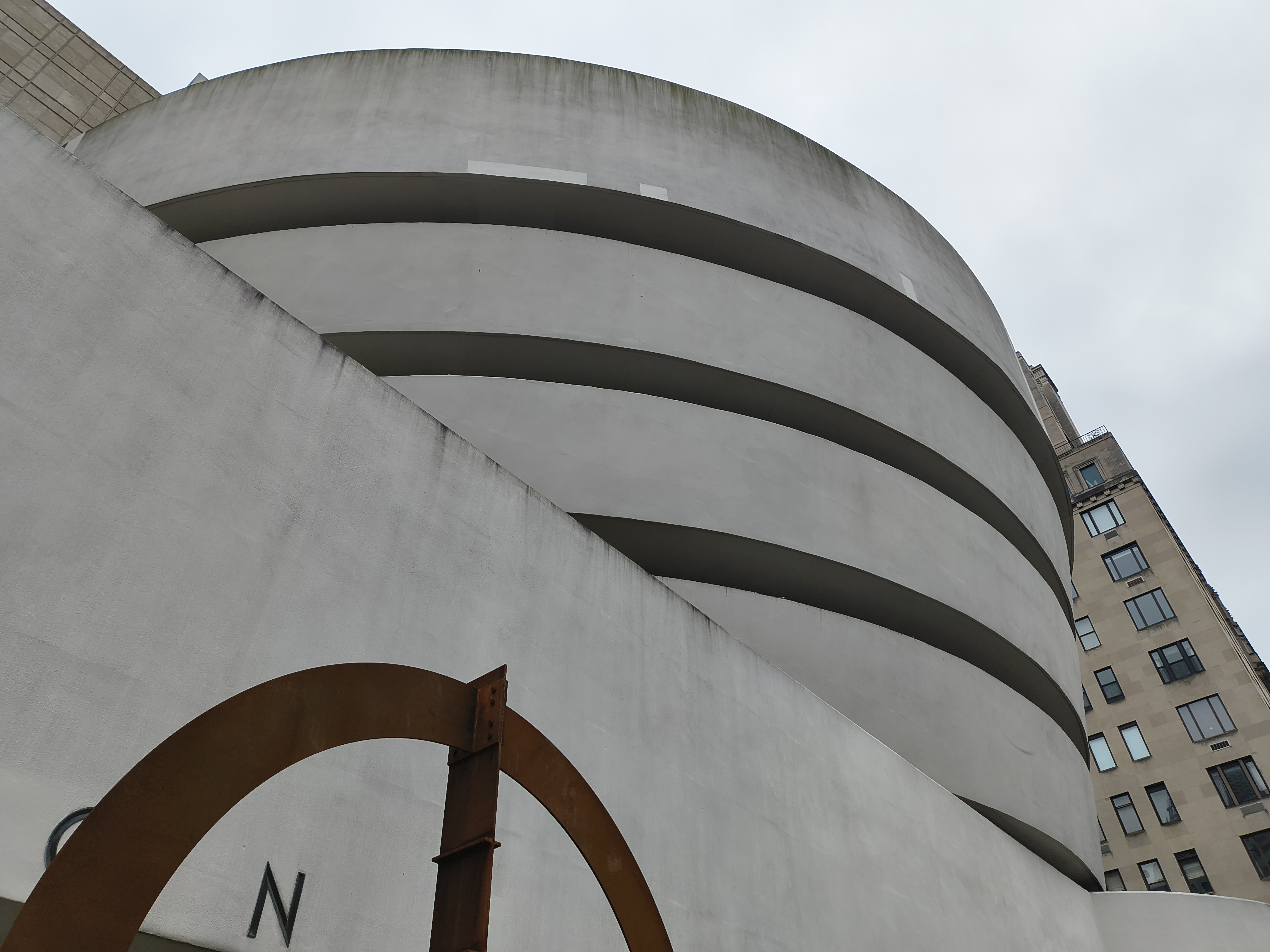
Non descriverò tecnicamente nè tantomeno architettonicamente il museo in sè, ma vorrei trasmettere a voi l’esperienza che per me è stata e le emozioni si sono succedute. Forse in prima battuta mi viene quasi da dire che mi aspettavo fosse più grande o comunque mastodontico visto dall’esterno e invece le dimensioni sono più che contenute, le definirei “umane”. Oppure l’avere impresso lo skyline newyorkese mi ha fatto perdere il senso della misura? 🙂
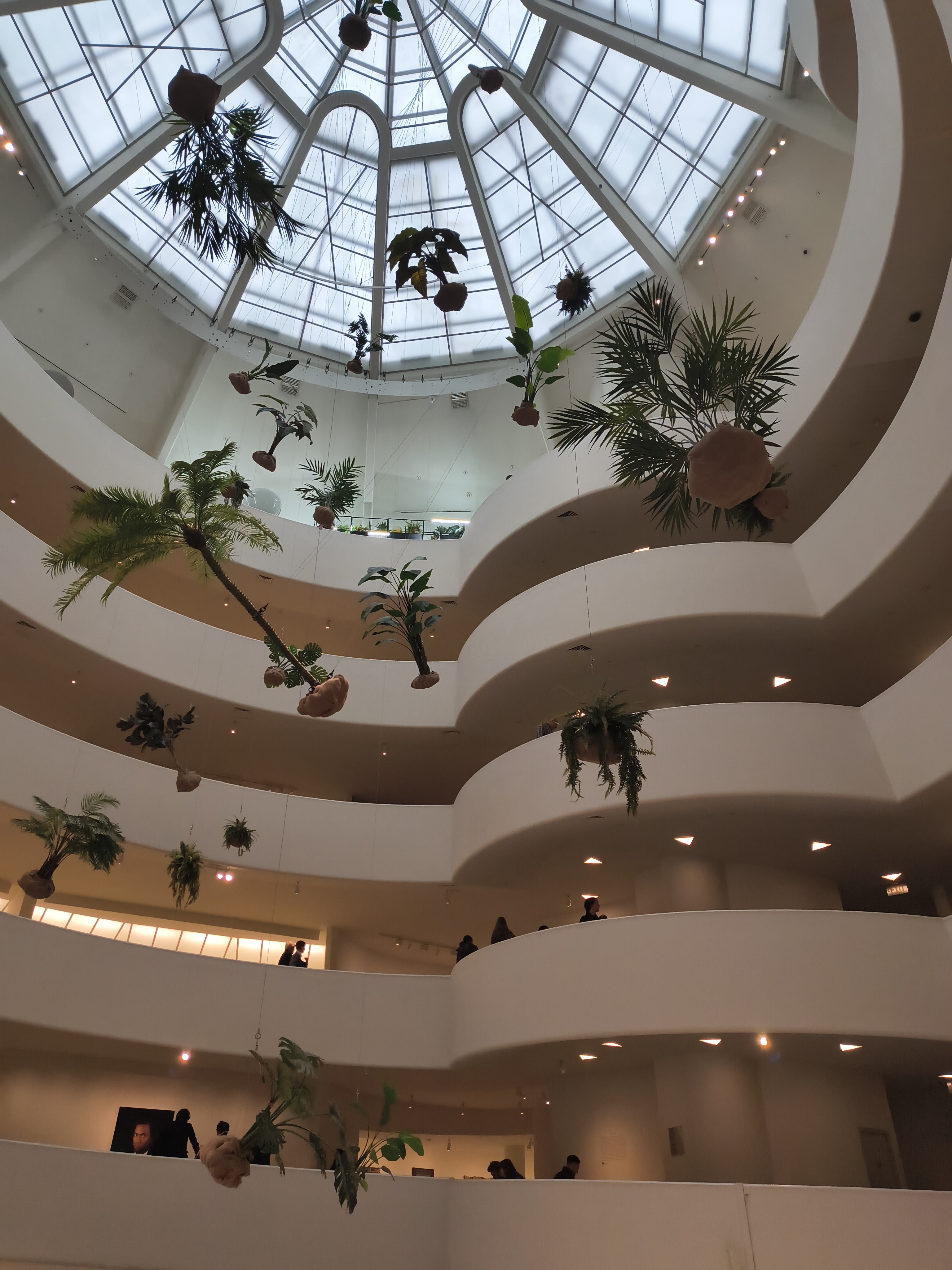
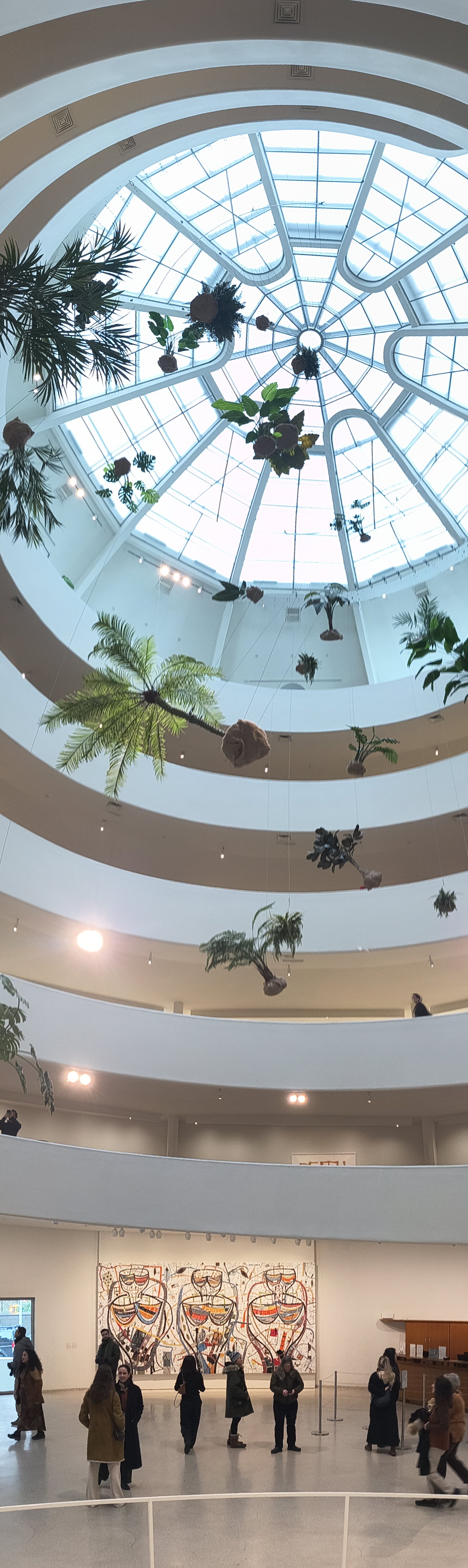
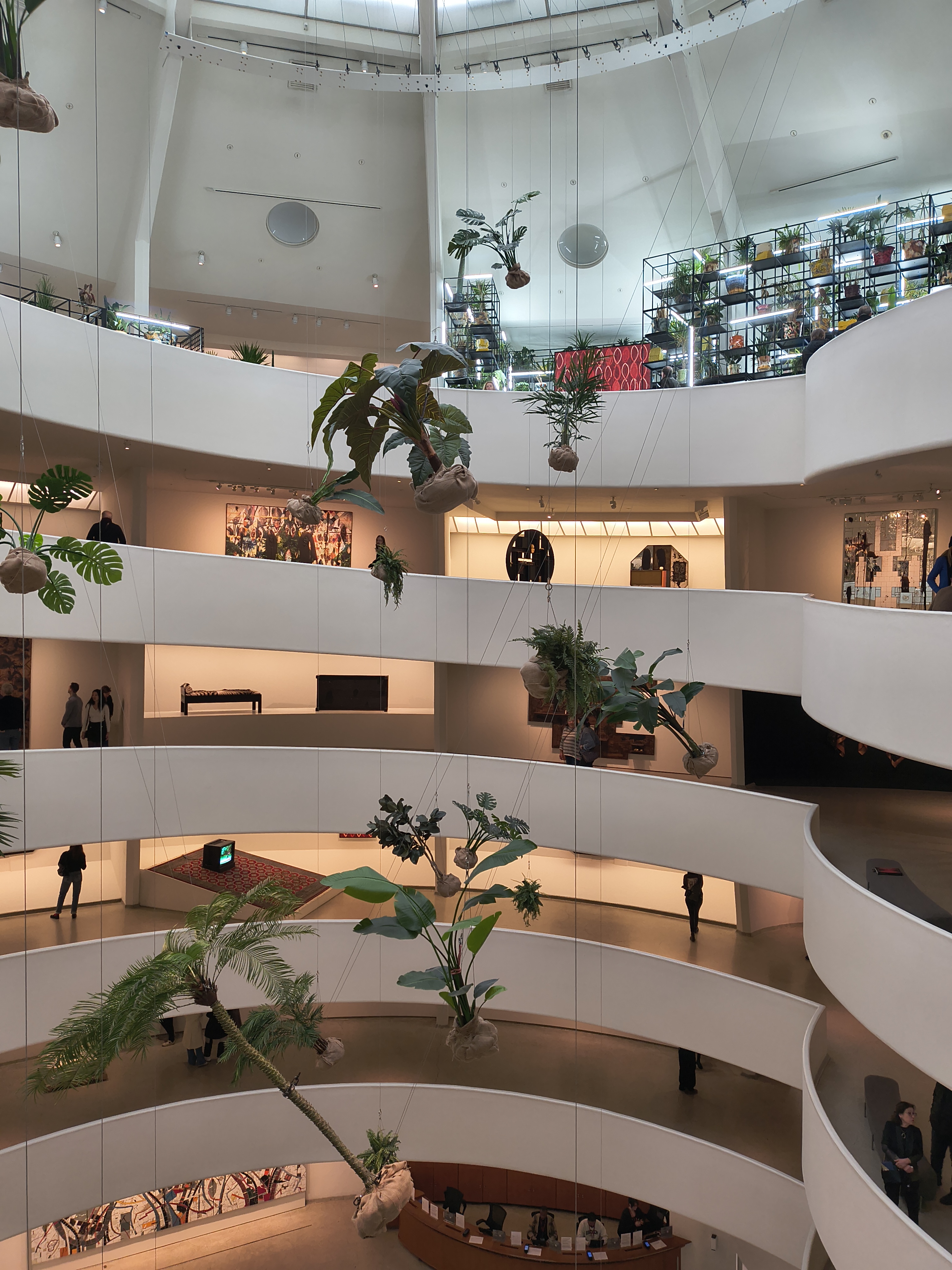
Certamente la spirale centrale nella quale si attornia il fulcro del museo è avvolgente e incorpora il visitatore sia al museo stesso, che alle esposizioni e al contatto con gli altri visitatori. Ho particolarmente apprezzato l’architettura e la pulizia degli spazi nella loro linearità e purezza: chiara definizione, linee decise ma morbide, spazi puri ma ben combinati in un gioco di altezze.
Oltre alla spirale, che ho deciso di visitare per prima per lasciarmi trasportare dallo spazio e dal suo sviluppo in altezza e avvolgenza, è stato interessante focalizzarsi sul gioco di scalini e alture che connettono le stanze dell’ala squadrata laterale collegata al corpo a spirale centrale. Queste sale sono collegate solamente per un lato e non sono presenti su tutti i piani per via delle differenze di altezze dovute alla spirale “che sale”; inoltre sono a volte multi volumetriche e altre volte a volumetria raccolta (come ad esempio all’ultimo piano).
Eccone alcuni scorci nelle foto sottostanti che ovviamente non possono equivalere a una visita nel museo stesso!
Avvolgenza e organicità

Entrare al Guggenheim di New York e imbattersi nelle opere di Vasilij Kandinskij è come assistere a un pensiero che prende forma davanti agli occhi. Non si tratta solo di quadri appesi a una parete, ma di tappe di un percorso interiore, in cui il paesaggio smette gradualmente di essere “luogo” per diventare emozione, ritmo, musica visiva.
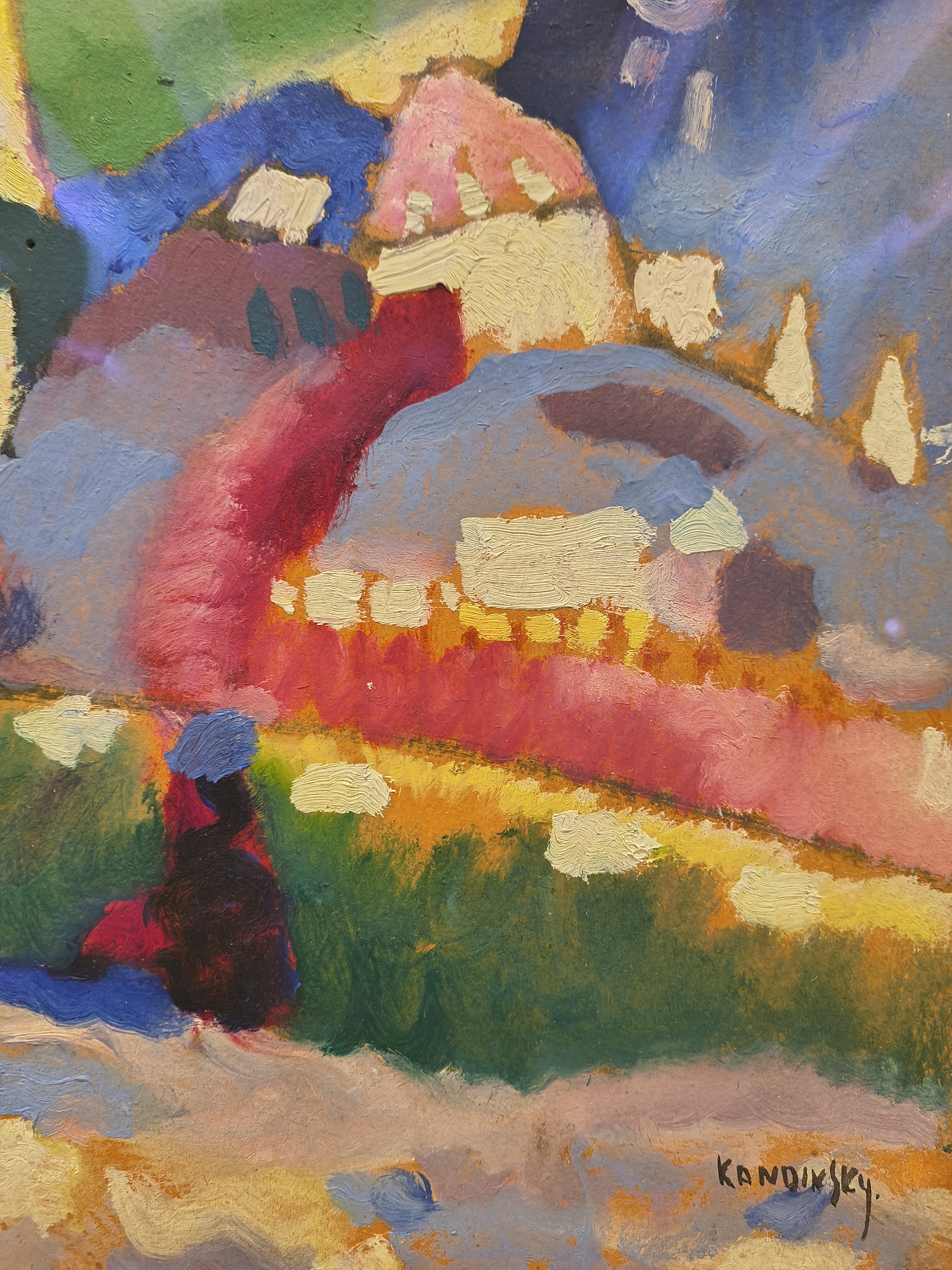
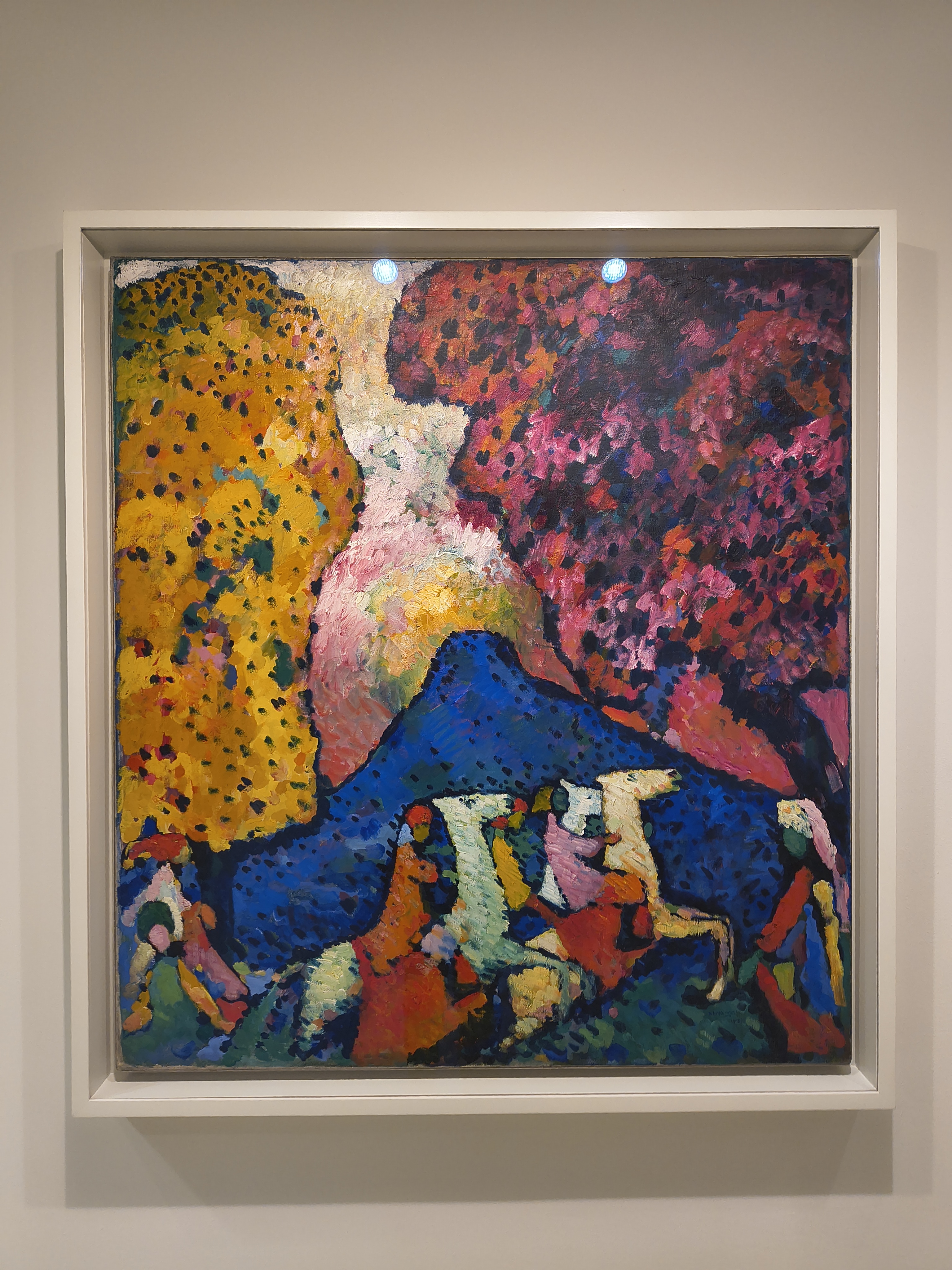
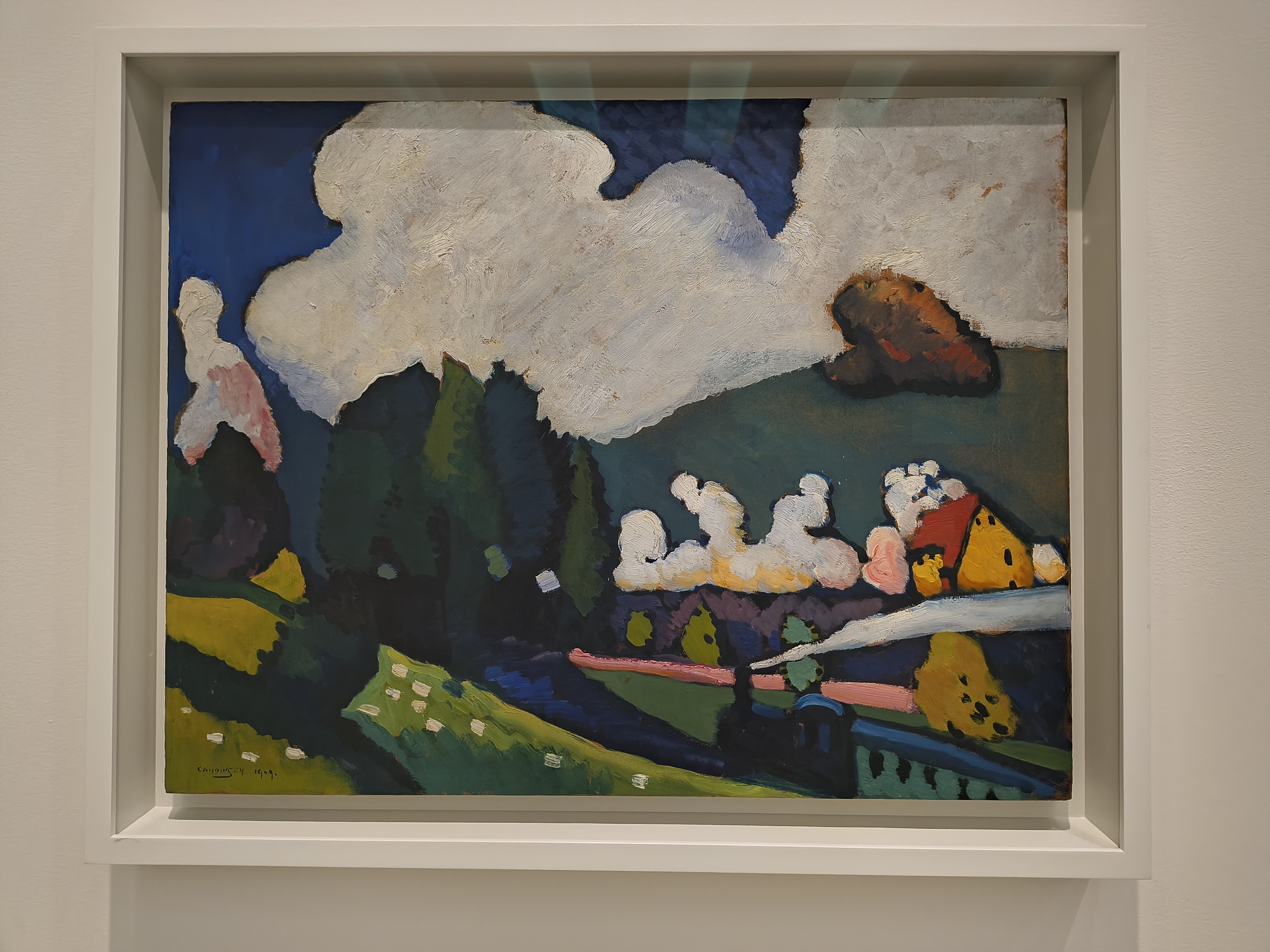
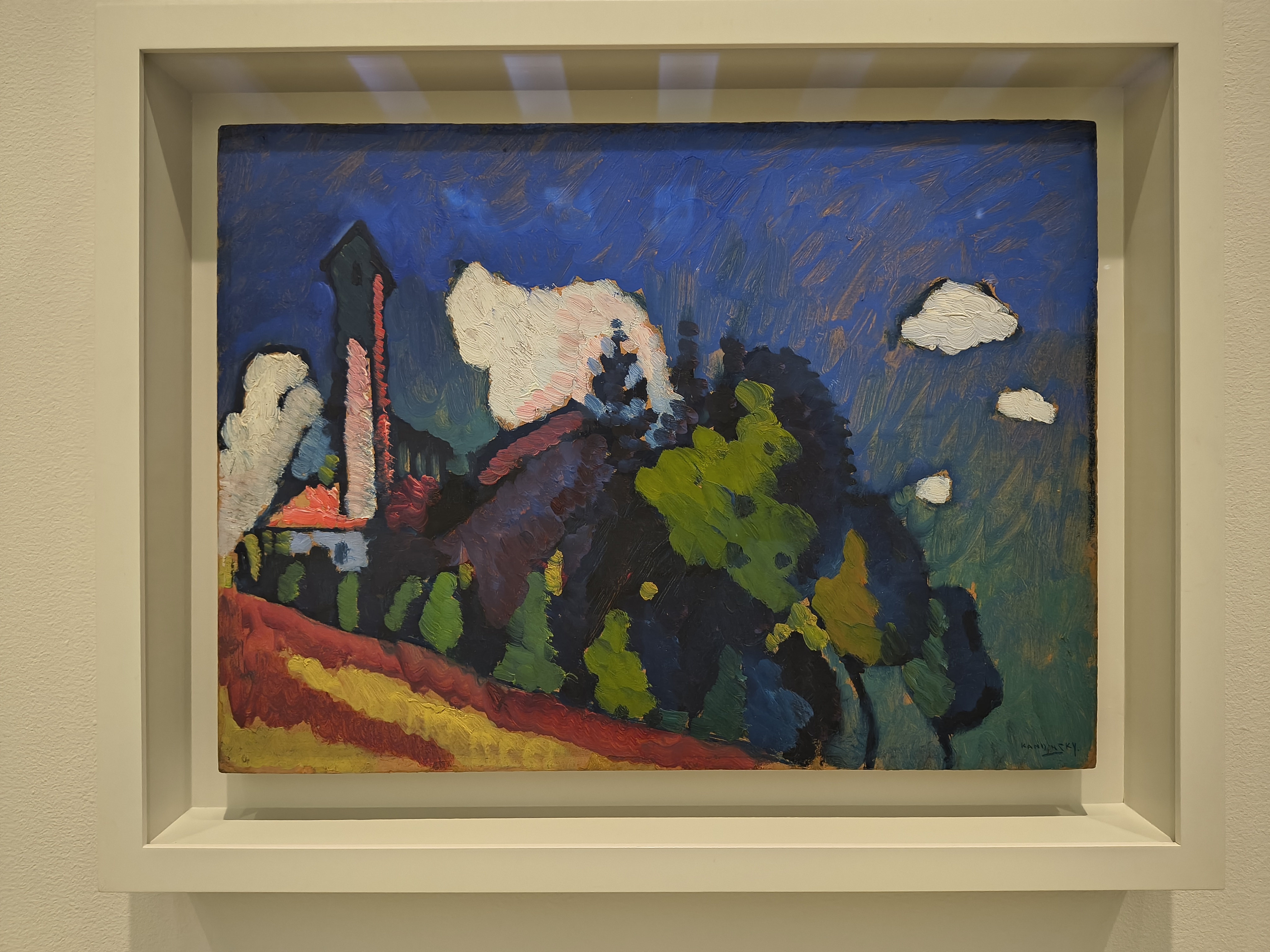
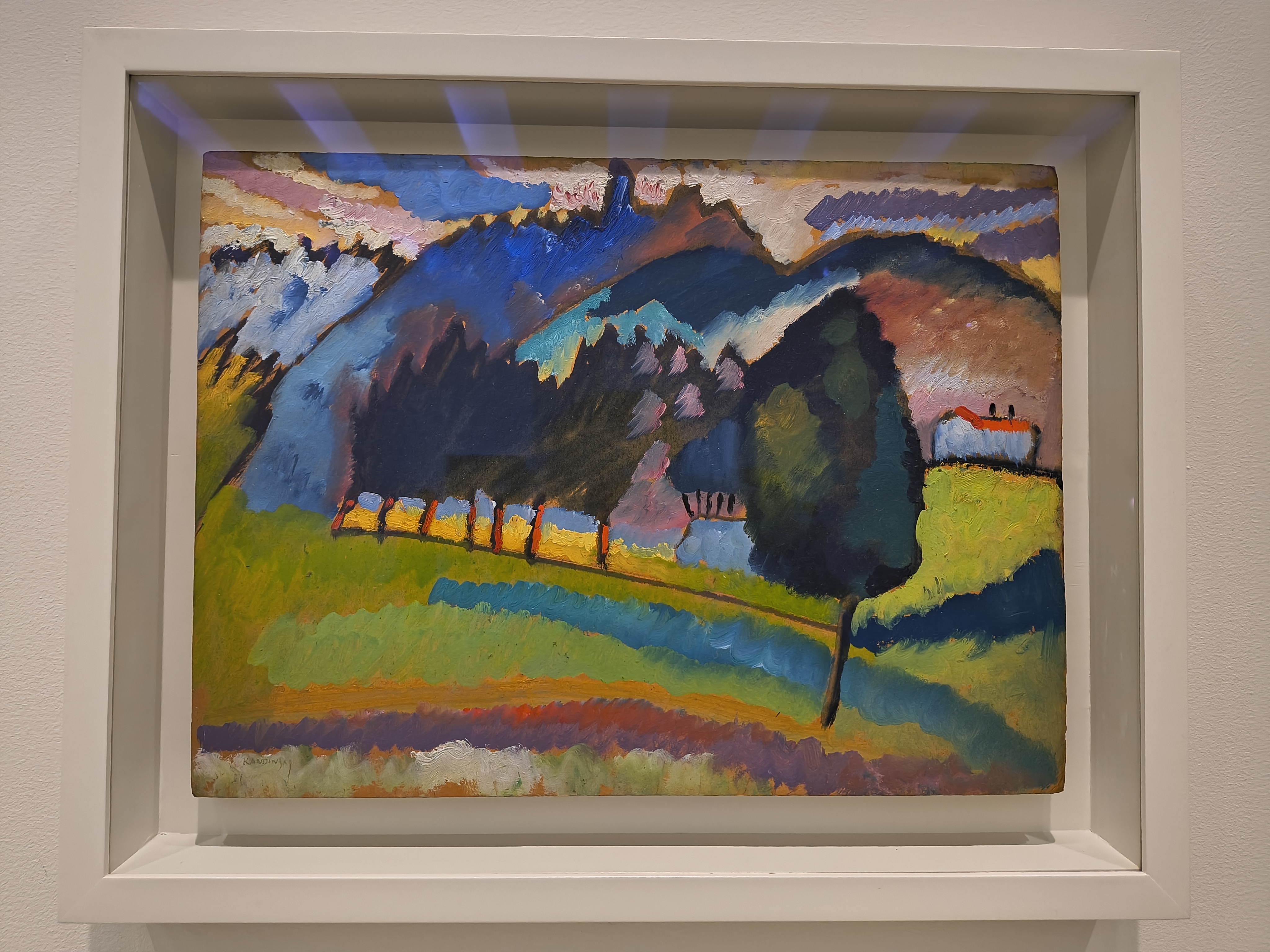
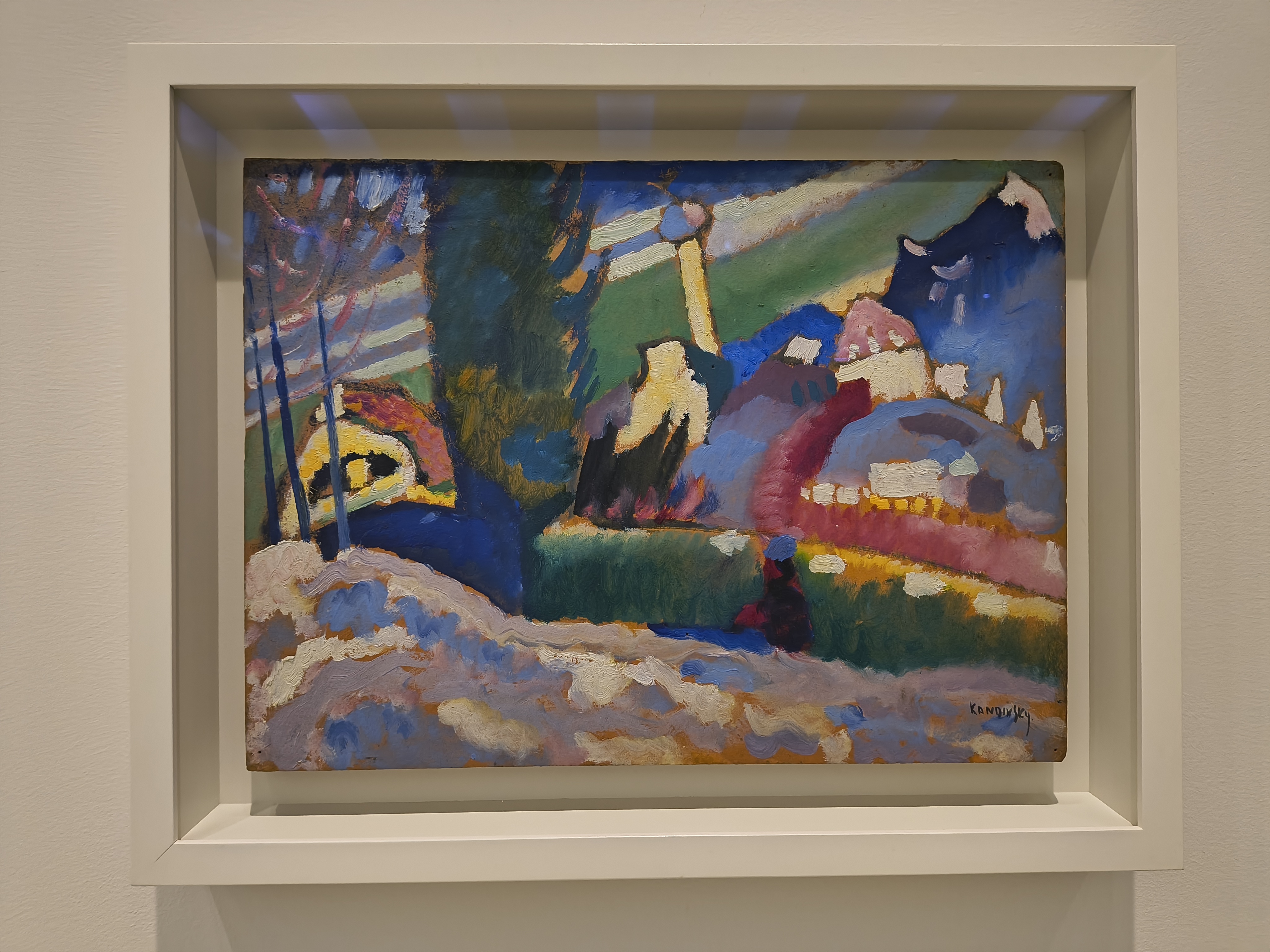
In Der Blaue Berg e Landschaft mit Lokomotive il mondo reale è ancora presente, ma già instabile: montagne, treni e colline sembrano vibrare, attraversati da colori intensi e linee in movimento. Kandinskij non dipinge ciò che vede, ma ciò che sente, trasformando il paesaggio in una sorta di energia pulsante. Anche in Landschaft mit Kirche e Landschaft mit welligen Hügeln, gli elementi riconoscibili resistono solo come tracce: la chiesa, le colline ondulate, tutto appare filtrato da una visione profondamente soggettiva, quasi spirituale.
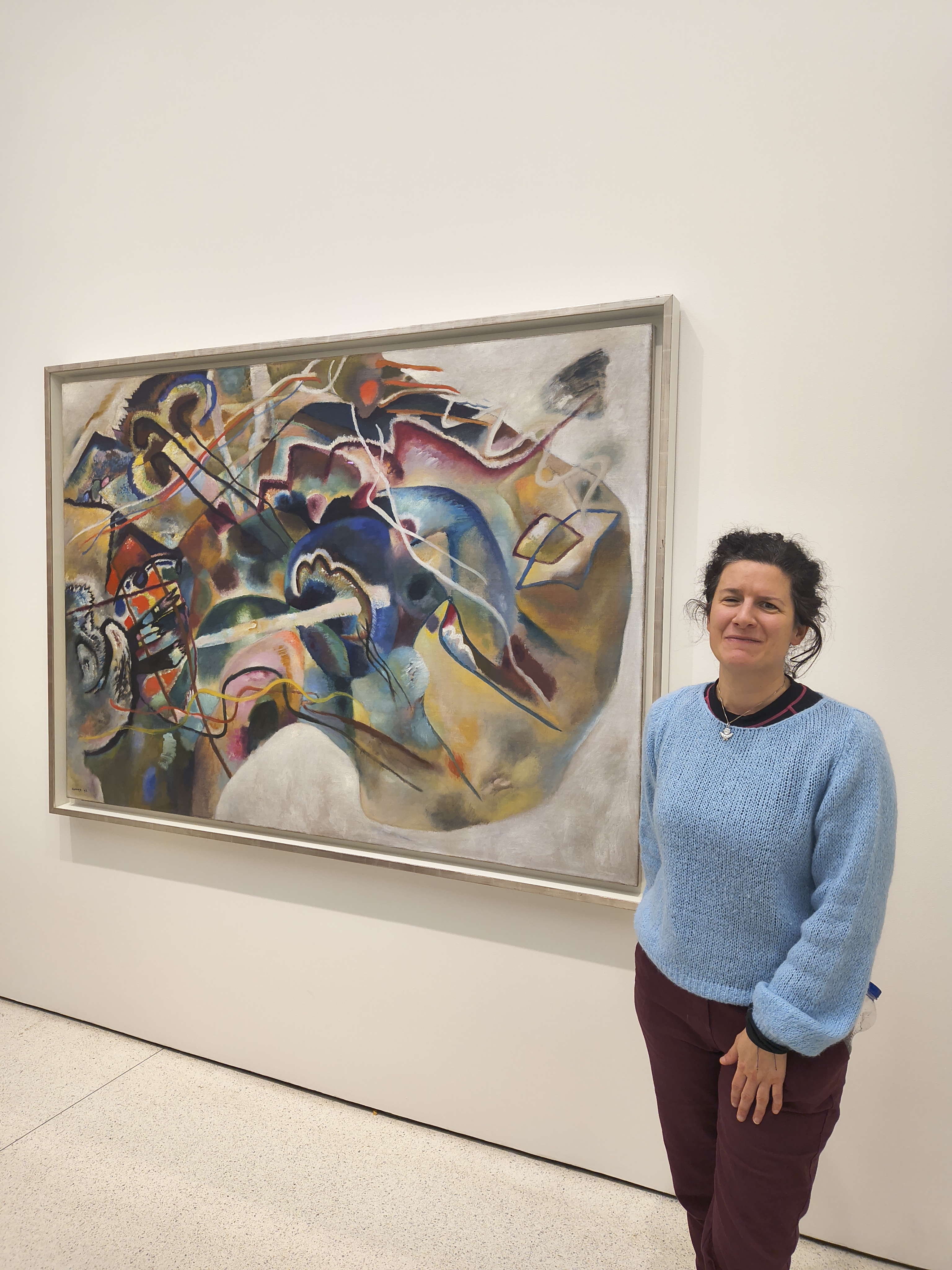
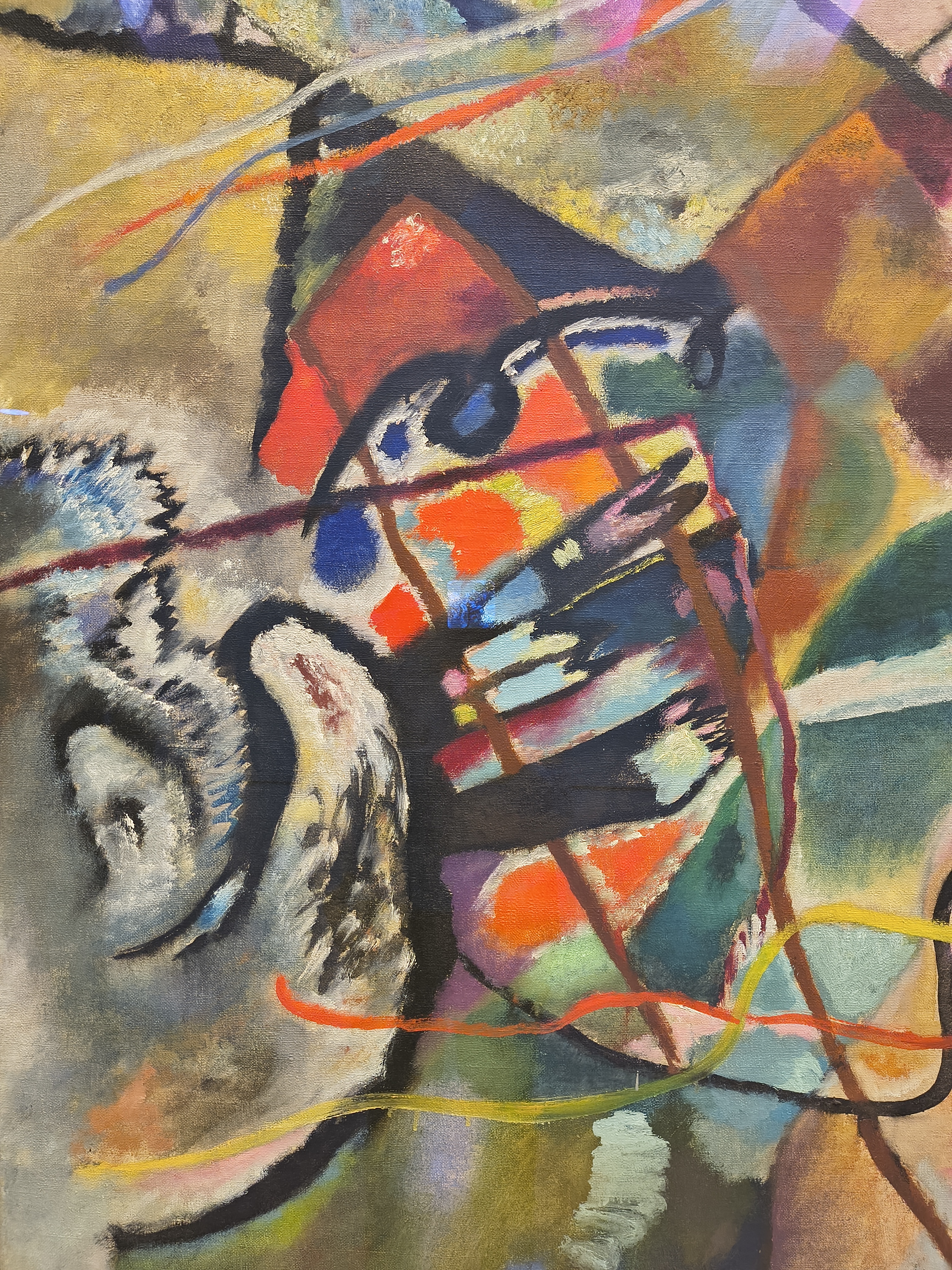
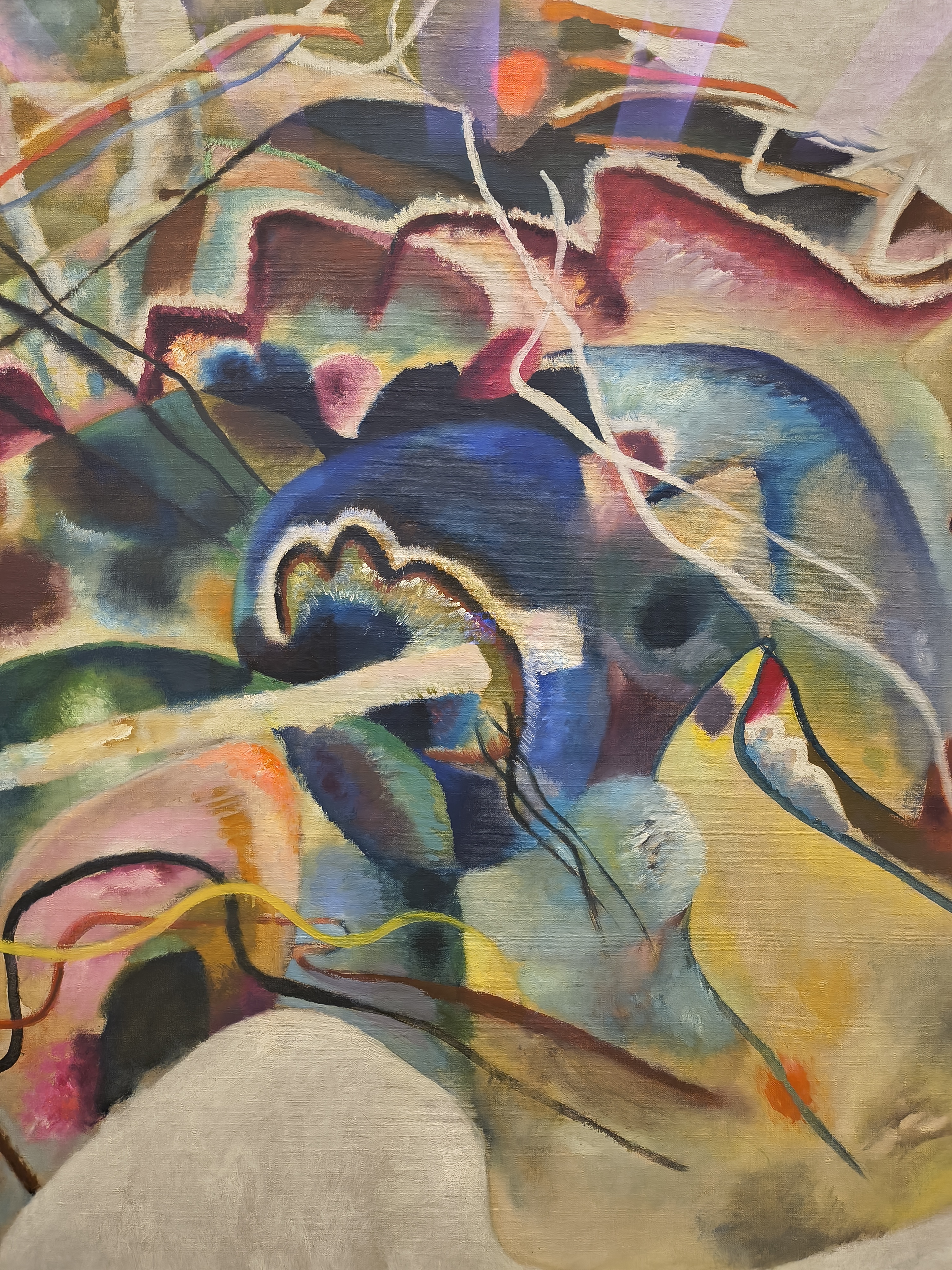
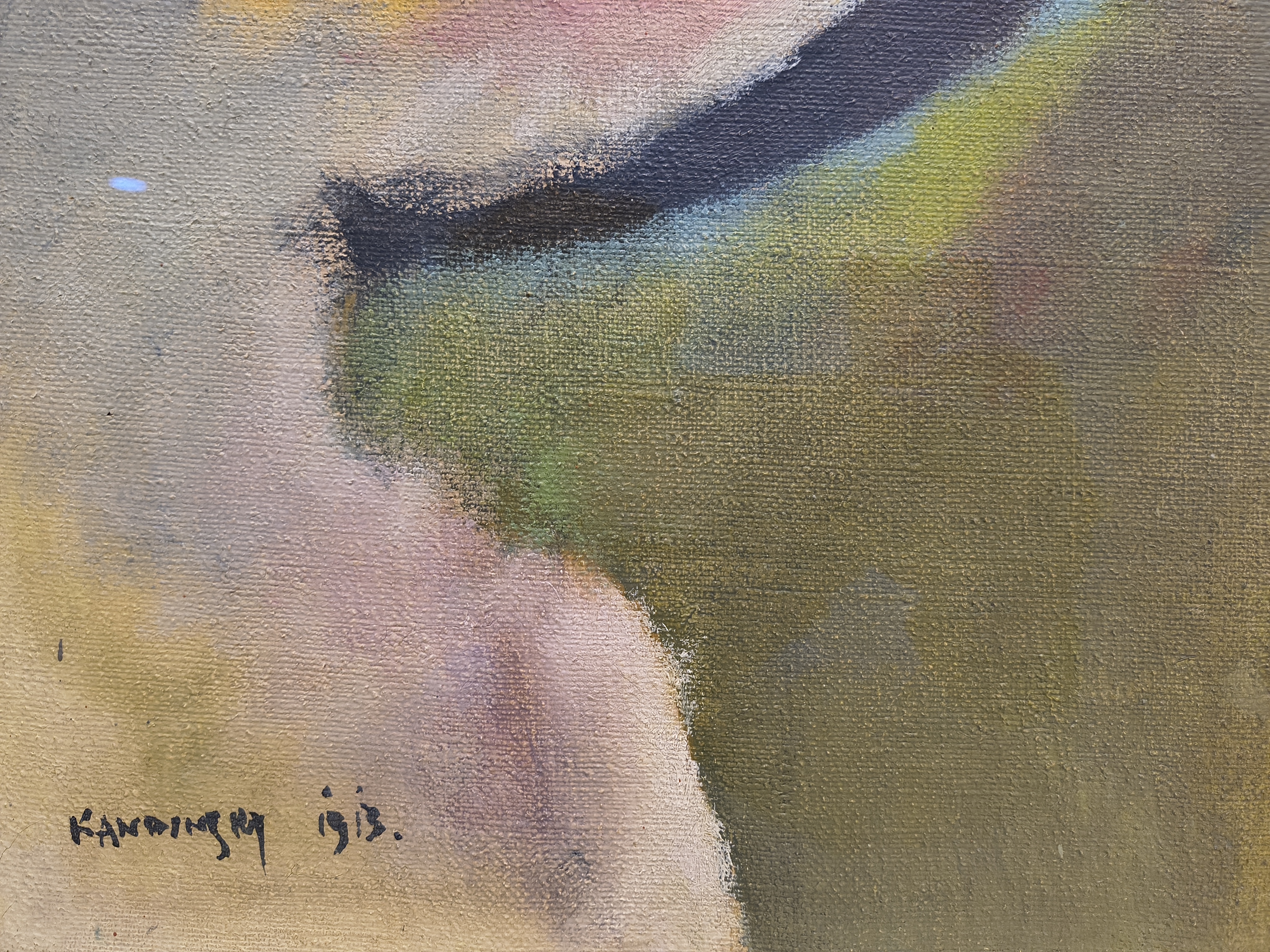
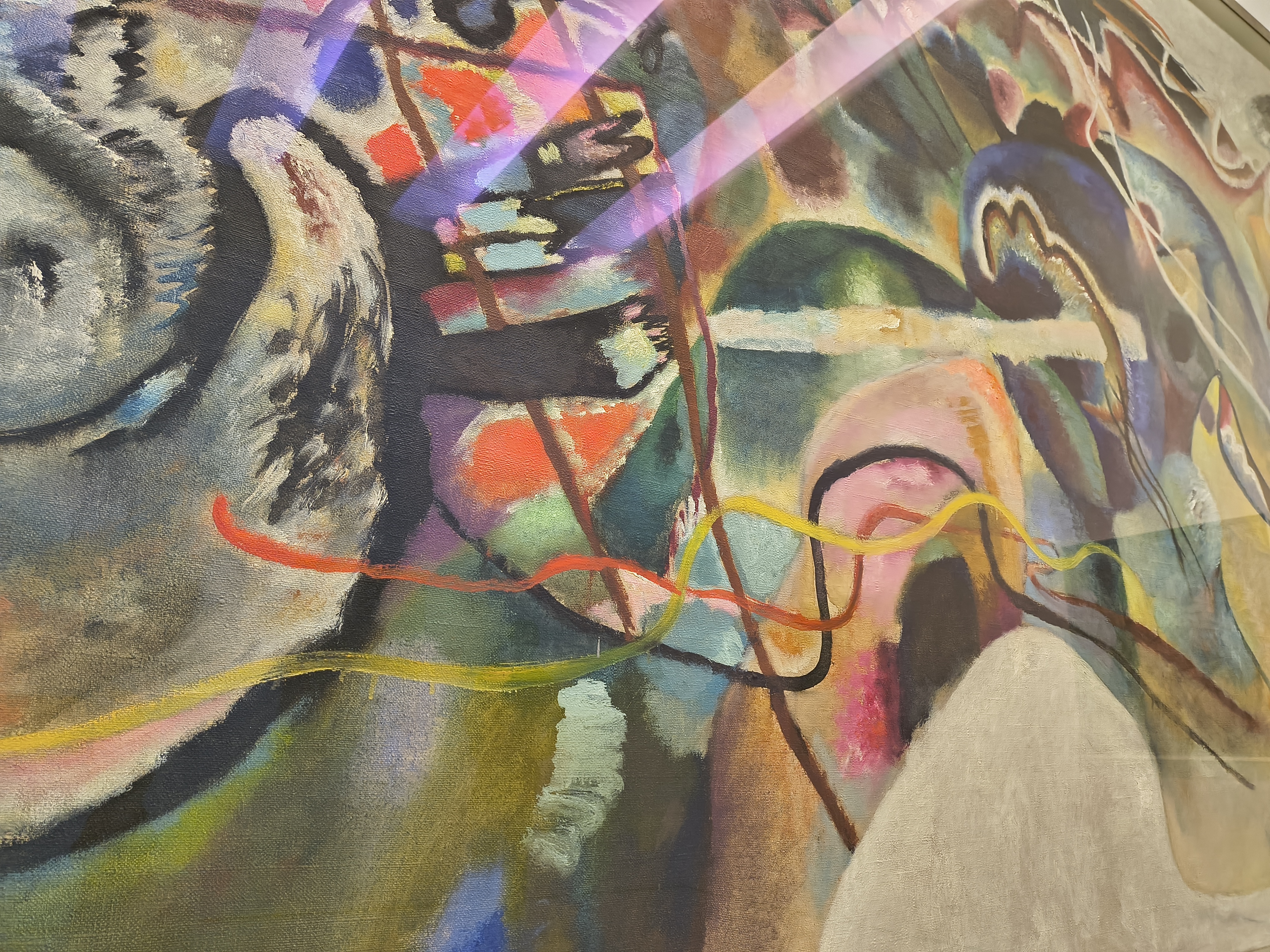
Il passaggio decisivo avviene con Das Bild mit weißem Rand, dove il riferimento al reale si dissolve del tutto. Qui Kandinskij sembra volerci dire che il quadro non ha più bisogno di rappresentare qualcosa: basta il dialogo tra colori, forme e tensioni interne. È un momento di rottura, ma anche di liberazione, che anticipa uno dei linguaggi più radicali dell’arte del Novecento.
Osservare queste opere insieme, nello spazio fluido e ascensionale del Guggenheim, rende evidente quanto Kandinskij non stesse semplicemente inventando l’astrazione, ma cercando un nuovo modo di dare forma all’esperienza umana. Un’arte che non descrive il mondo, ma prova a farlo risuonare dentro chi guarda.
…Kandinsky
EN Version
The museum: an artwork.
Visiting the Guggenheim Museum in New York was an indescribable experience — it is a work of art as well as a work of architecture. Having admired countless images of this Frank Lloyd Wright masterpiece in books and articles, it seemed almost surreal to actually be standing in front of it, about to go inside.
Rather than describing the museum itself in technical or architectural terms, I would like to convey my experience of it and the emotions I felt. Perhaps my first reaction is to say that I expected it to look larger from the outside, or at least mammoth-like, but its dimensions are actually quite modest. I would describe them as ‘human’. Or did the New York skyline imprinted in my mind make me lose my sense of proportion? 🙂
The central spiral around which the museum is organised is certainly captivating, drawing visitors in and encouraging interaction with the exhibitions and other visitors. I particularly appreciated the clean, linear and pure architecture of the spaces, with clear definitions, bold yet soft lines and well-combined spaces of different heights.
After visiting the spiral first, to experience the space and its development in height and envelopment, I found it interesting to focus on the interplay of steps and heights connecting the rooms of the square wing to the central spiral body. These rooms are connected on only one side and do not appear on all floors due to the height differences caused by the ‘rising’ spiral. Moreover, they are sometimes multi-volumetric and sometimes compact (as on the top floor, for example).
You can see some glimpses in the photos below, which obviously cannot replace a visit to the museum itself!
…Kandinsky
Entering the Guggenheim in New York and encountering the works of Vasily Kandinsky is akin to witnessing a thought taking shape before your eyes. These are not just paintings hanging on a wall; they are stages of an inner journey in which the landscape gradually ceases to be a ‘place’ and becomes emotion, rhythm and visual music.
In Der Blaue Berg and Landschaft mit Lokomotive, the real world is still present, but already unstable: mountains, trains and hills seem to vibrate, crossed by intense colours and moving lines. Kandinsky does not paint what he sees, but what he feels, transforming the landscape into pulsating energy. Even in Landscape with Church and Landscape with Rolling Hills, recognisable elements remain only as traces: the church, the rolling hills — everything appears filtered through a deeply subjective, almost spiritual vision.
The decisive shift occurs in Das Bild mit weißem Rand, where all reference to reality dissolves. Here, it seems as though Kandinsky is telling us that the painting no longer needs to represent anything; the dialogue between colours, shapes, and internal tensions is sufficient in itself. This is a moment of rupture and liberation that anticipates one of the most radical languages in 20^(th)-century art.
Viewing these works together in the Guggenheim’s fluid, ascending space makes it clear that Kandinsky was not merely inventing abstraction; he was seeking a new way to express human experience. This is art that does not describe the world, but rather seeks to resonate within the viewer.
 ReVivoArtistry
Leave a comment