Nuova Vita: link to the platform
A Region as a pilot project
The story of the competition
In 2023, I participated for the first time in a startup competition and bootcamp, where I developed the project “New Life for Existing Heritage to Regenerate the Rural Landscape.” The experience, led by PwC, was highly engaging and instrumental: their guidance supported us in structuring and refining the business model, enabling us to effectively advance and shape our initial idea into a more concrete and viable proposa
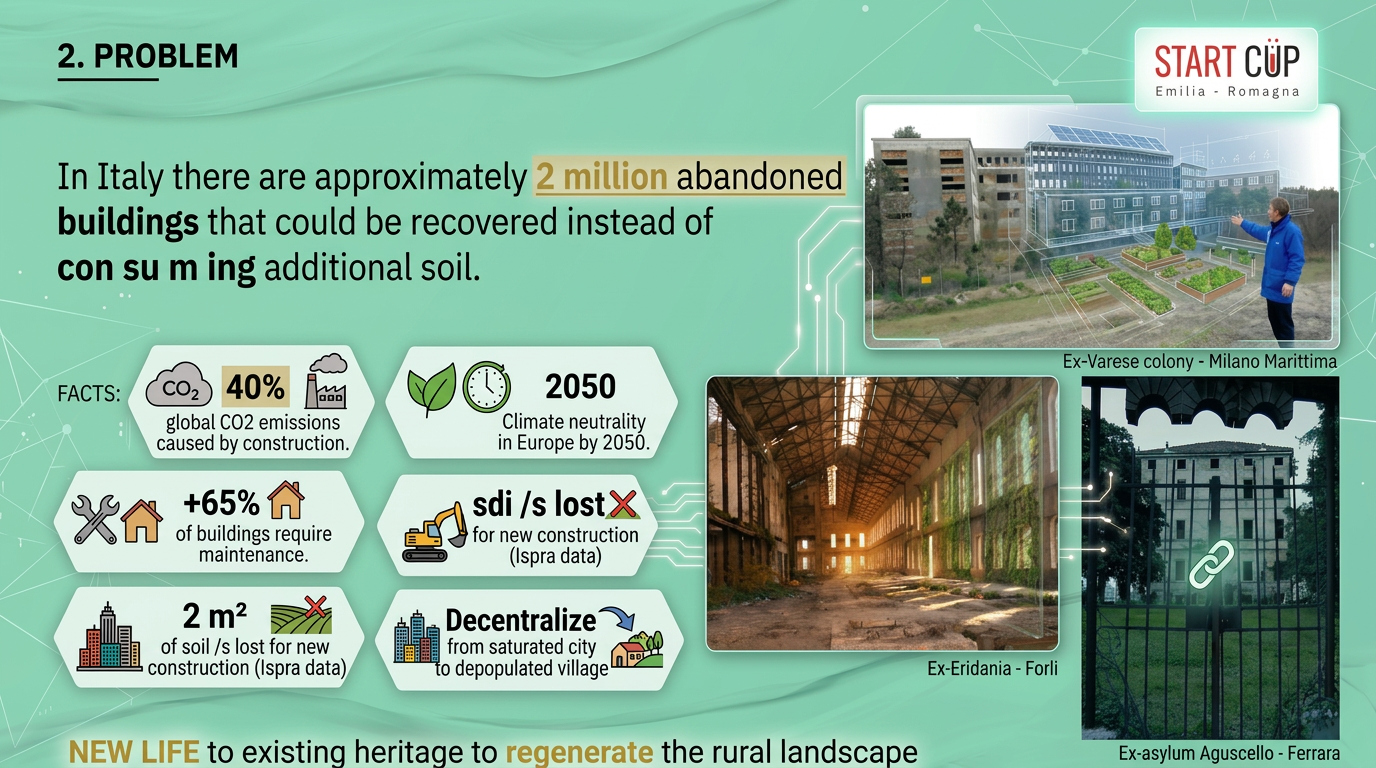
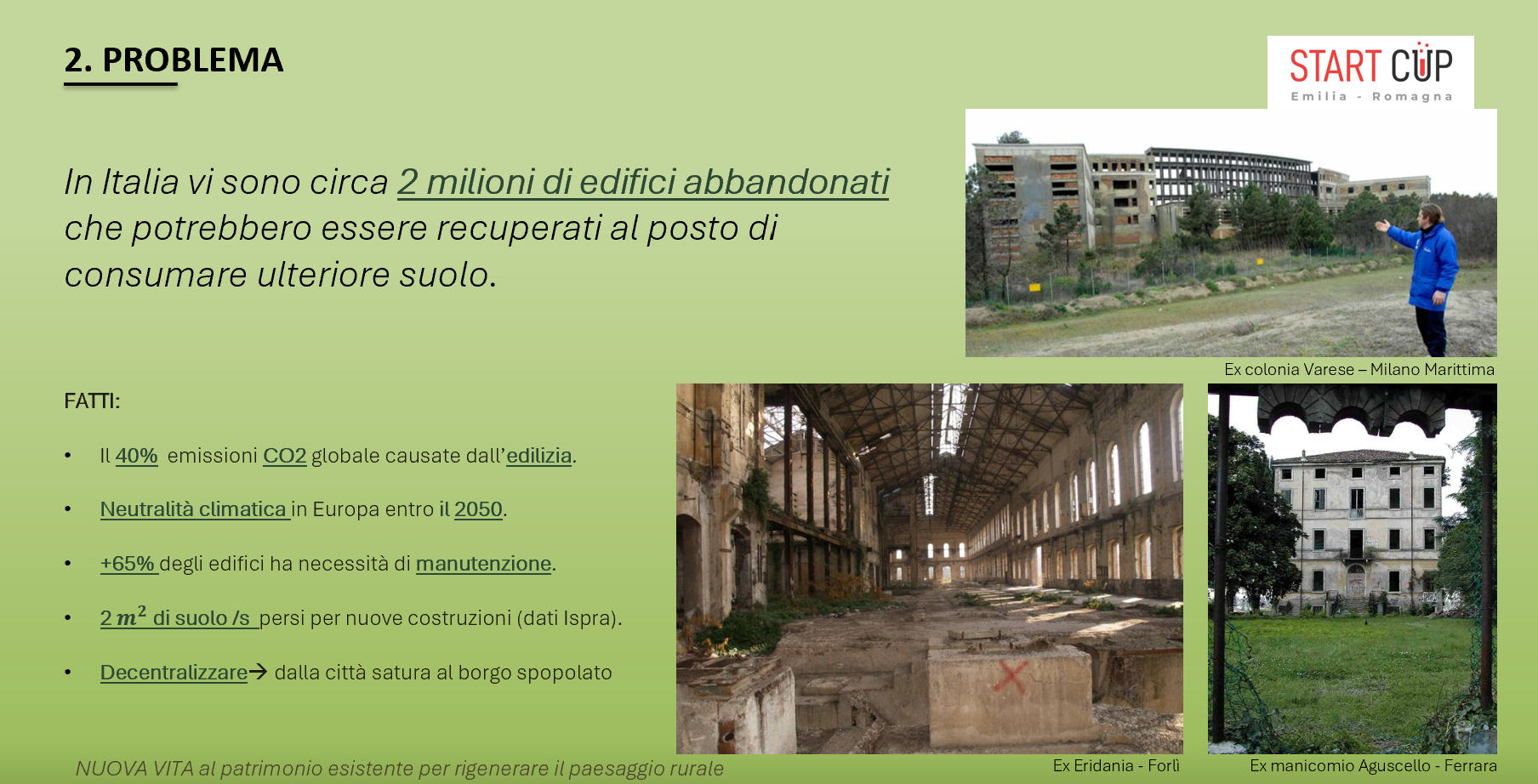
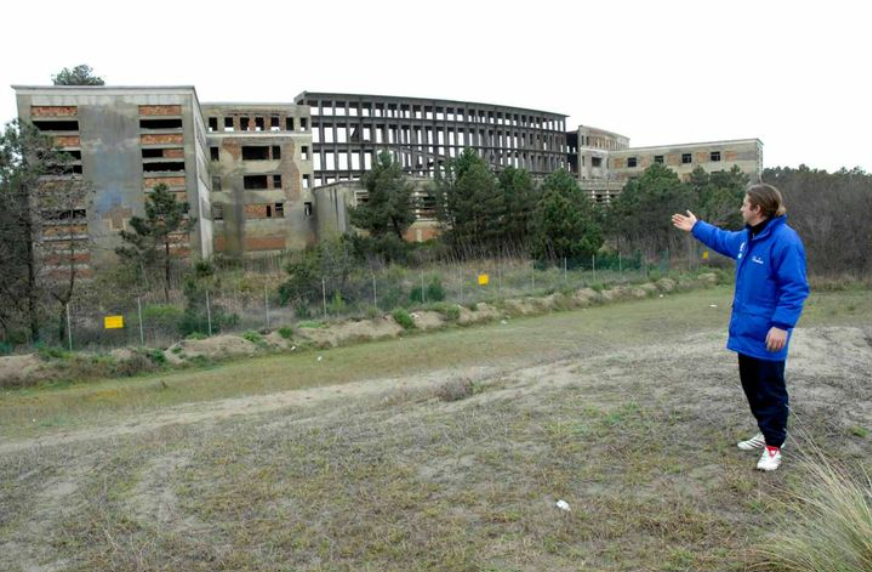
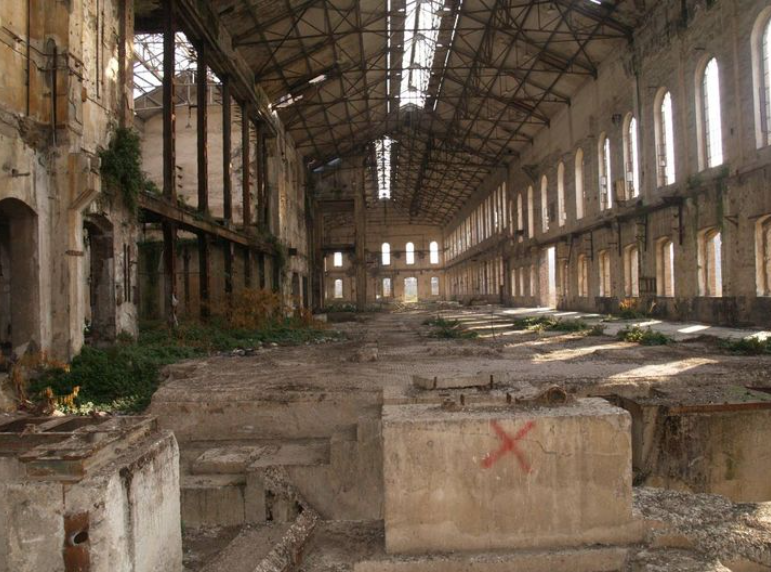
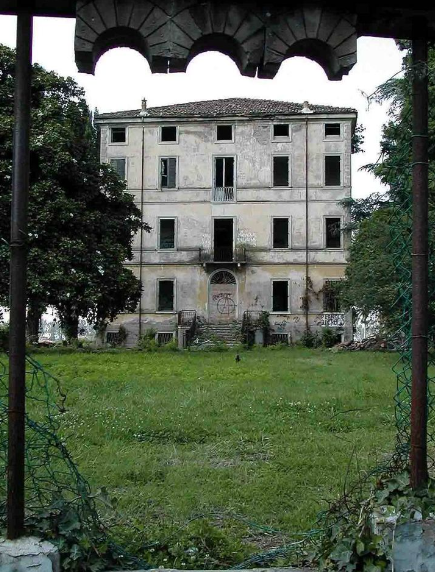
The project was conceived as a concrete response to one of the main contemporary challenges in the construction sector: the sustainable redevelopment of the existing building stock. In Italy, there are around 2 million abandoned buildings, while land consumption for new construction continues, with an estimated loss of about 2 m² per second. This phenomenon takes place within a broader context in which the construction sector is responsible for approximately 40% of global CO₂ emissions, and more than 65% of buildings require maintenance interventions.
In light of the European goal of achieving climate neutrality by 2050, it is therefore essential to shift the focus from new construction to the regeneration of existing assets, also promoting a territorial rebalancing between overcrowded cities and rural areas experiencing depopulation.
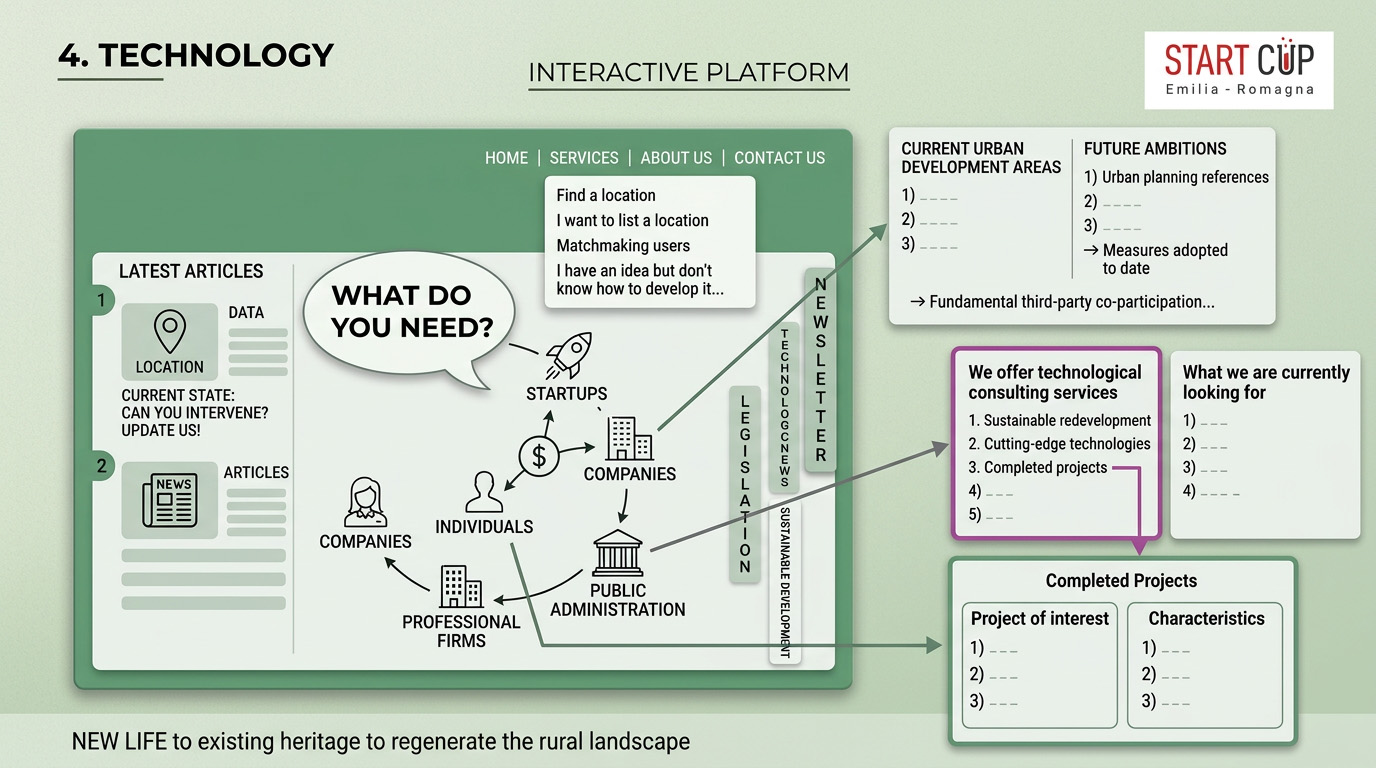
Within this framework, New Life is an innovative digital platform that connects all stakeholders involved in sustainable real estate redevelopment processes: investors, public administrations, private owners, professional firms, and startups. The aim is to facilitate the matching of supply and demand, accelerating redevelopment processes through advanced technological solutions and collaborative models.
The project is based on three pillars of sustainability:
- Environmental, through the reduction of CO₂ emissions, the limitation of land consumption, and the adoption of sustainable technologies and off-site construction;
- Social, by fostering community building, regenerating abandoned spaces, and encouraging social interaction;
- Economic, through the enhancement of local territories and the creation of new profit opportunities linked to redevelopment.
From a technological perspective, the platform is designed as an interactive tool capable of mapping abandoned properties and facilitating the matching between owners, investors, and professionals. In a region such as Emilia-Romagna, where approximately 200,000 abandoned buildings are estimated, the market potential is significant and requires the active involvement of all stakeholders.
The business model includes initial costs related to platform development, marketing, legal aspects, and personnel, while revenues are generated through consulting services, technology scouting, advertising, and a percentage on completed projects.
In summary, New Life represents an innovative proposal that integrates sustainability, technology, and collaboration to transform unused building heritage into a strategic resource for the territory, contributing to the revitalization of rural landscapes and to the ecological transition of the construction sector.
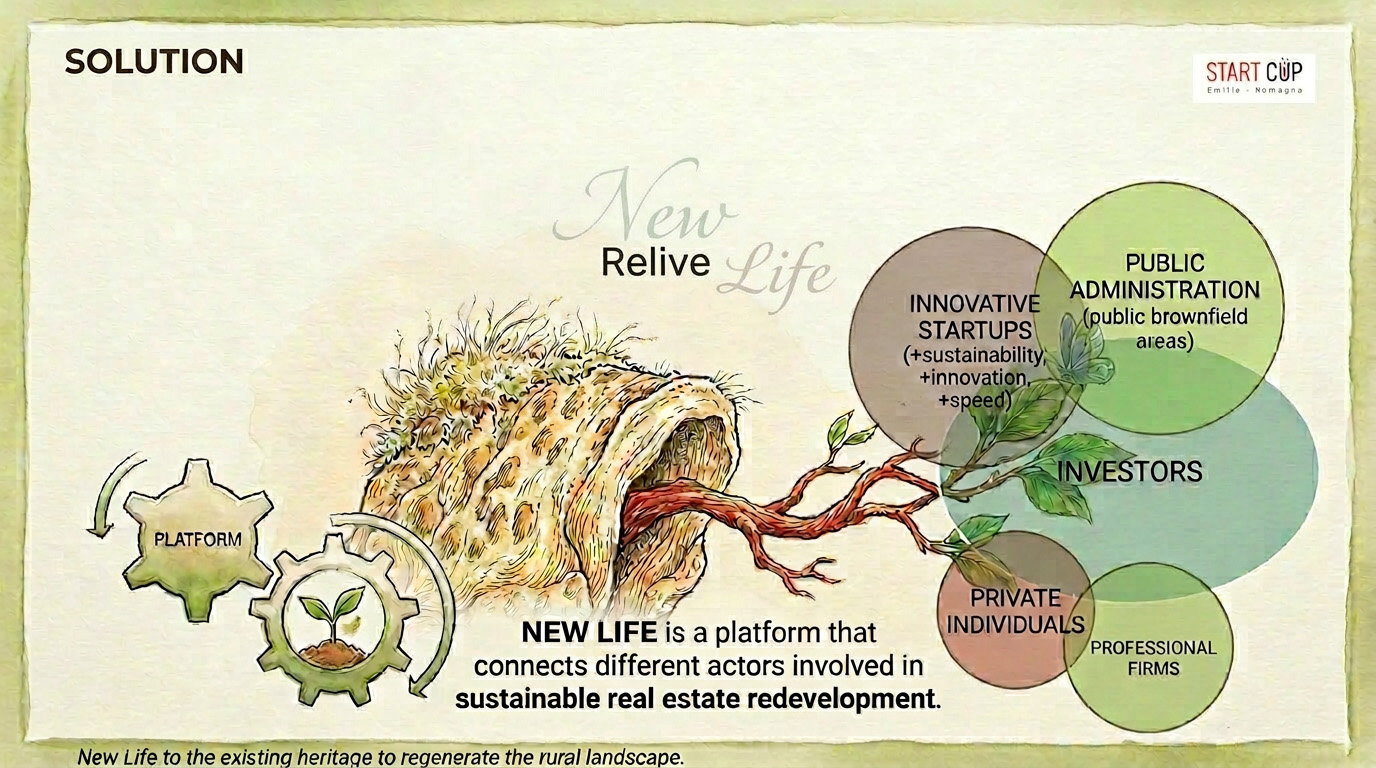
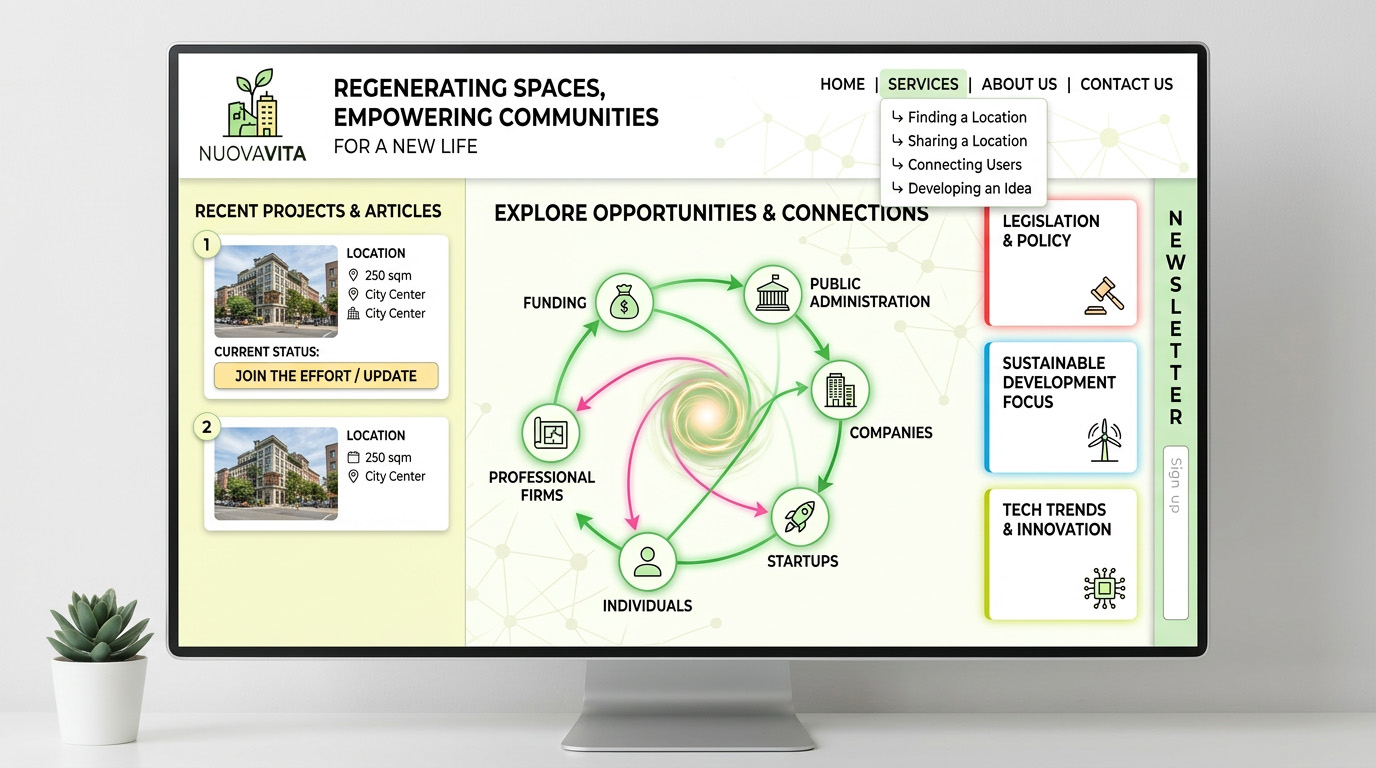
New Life is an innovative platform that connects key stakeholders—public administrations, investors, startups, professionals, and private individuals—to drive sustainable real estate regeneration. By fostering collaboration and integrating innovative solutions, it transforms abandoned assets into new opportunities, contributing to the revitalization of rural landscapes.
The New Life interactive platform enables seamless collaboration between stakeholders by integrating data, services, and opportunities in one digital ecosystem. It supports users in identifying locations, developing ideas, and accessing technological and regulatory guidance, accelerating sustainable redevelopment processes.