
Am Bayerischer Bahnhof
Leipzig
DDR Architecture
Architecture
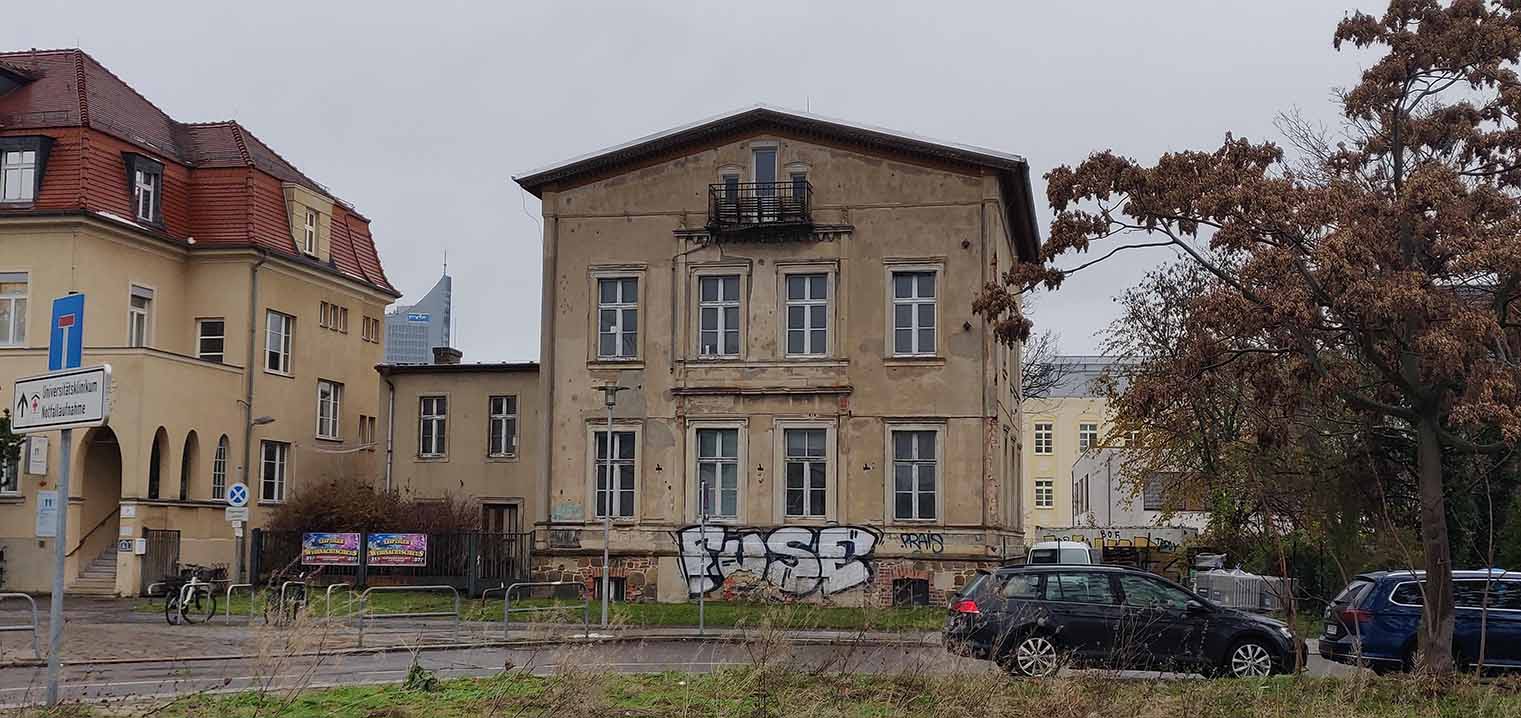
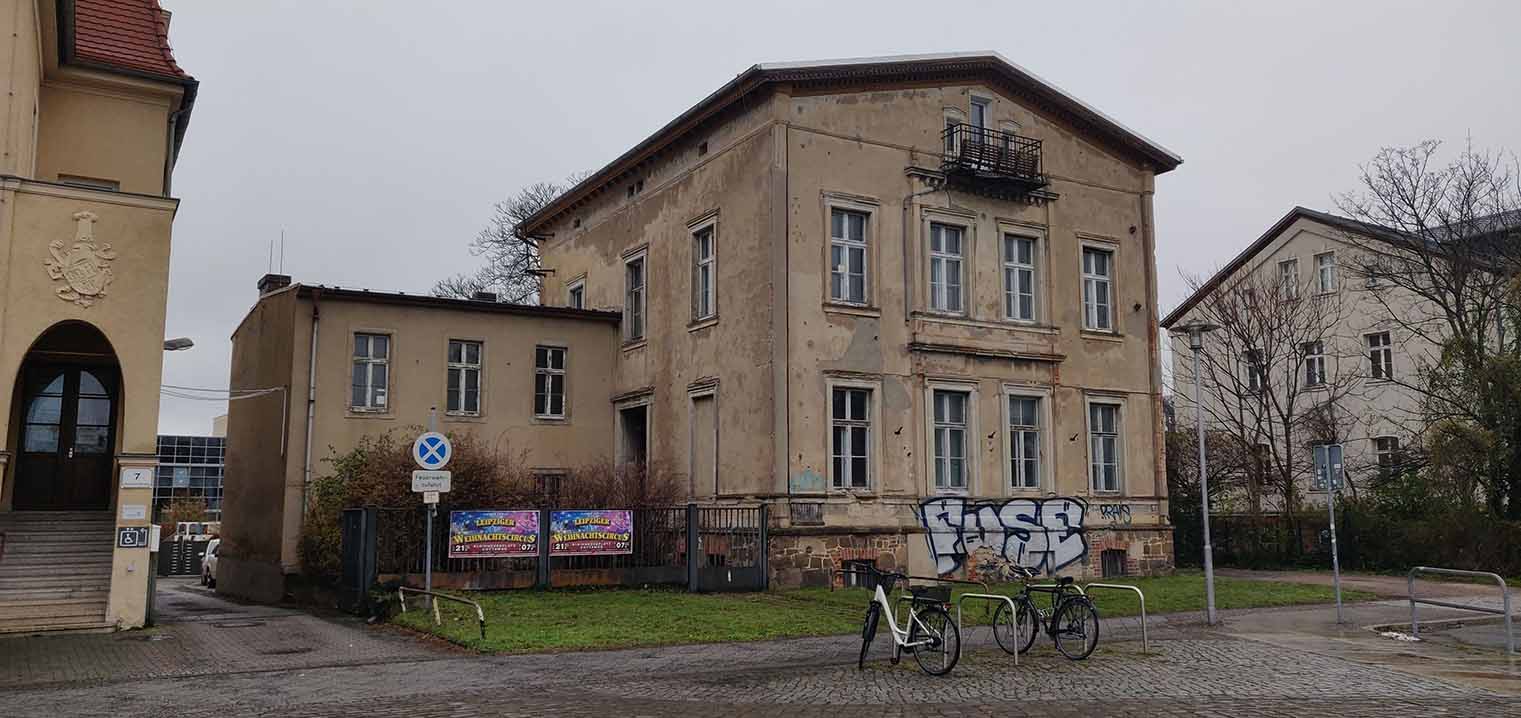
Soviet-style architecture: boxy, monochrome and without decoration.
Echoes of the DDR: Socialist Architecture in Leipzig and a Forgotten Building near Bayerischer Bahnhof
Leipzig, once part of the former East Germany, still bears visible traces of its GDR (German Democratic Republic) past through its architecture. These remnants, often overlooked or in decay, are silent markers of an era shaped by ideological and social ambition.
GDR architecture in Leipzig is defined by its monumental simplicity, rectilinear forms, and a strong emphasis on function over ornamentation. Concrete was the material of choice—especially in the mass-produced Plattenbau apartment blocks—used to create structures that were economical, uniform, and fast to assemble. Public buildings often had a solemn, institutional character, softened occasionally by socialist realist art: mosaics, reliefs, or murals celebrating labor, unity, and progress.
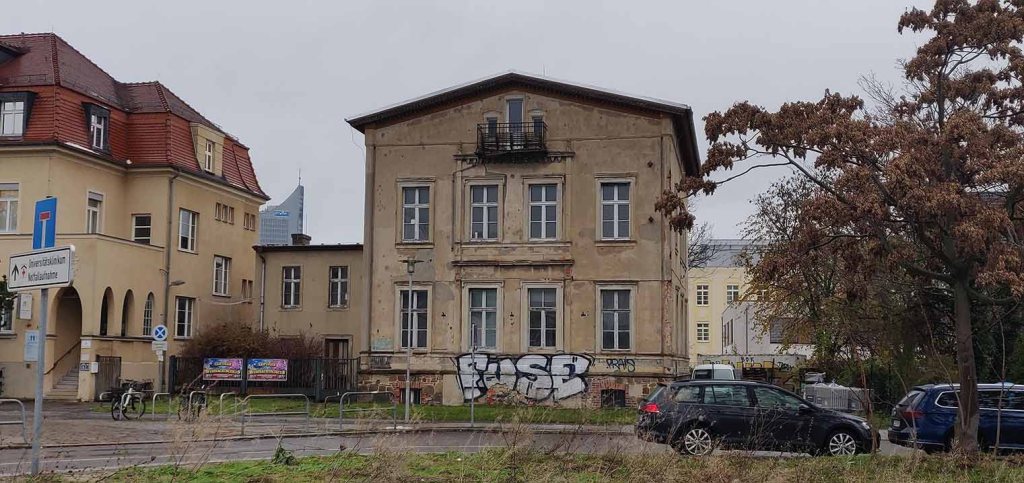
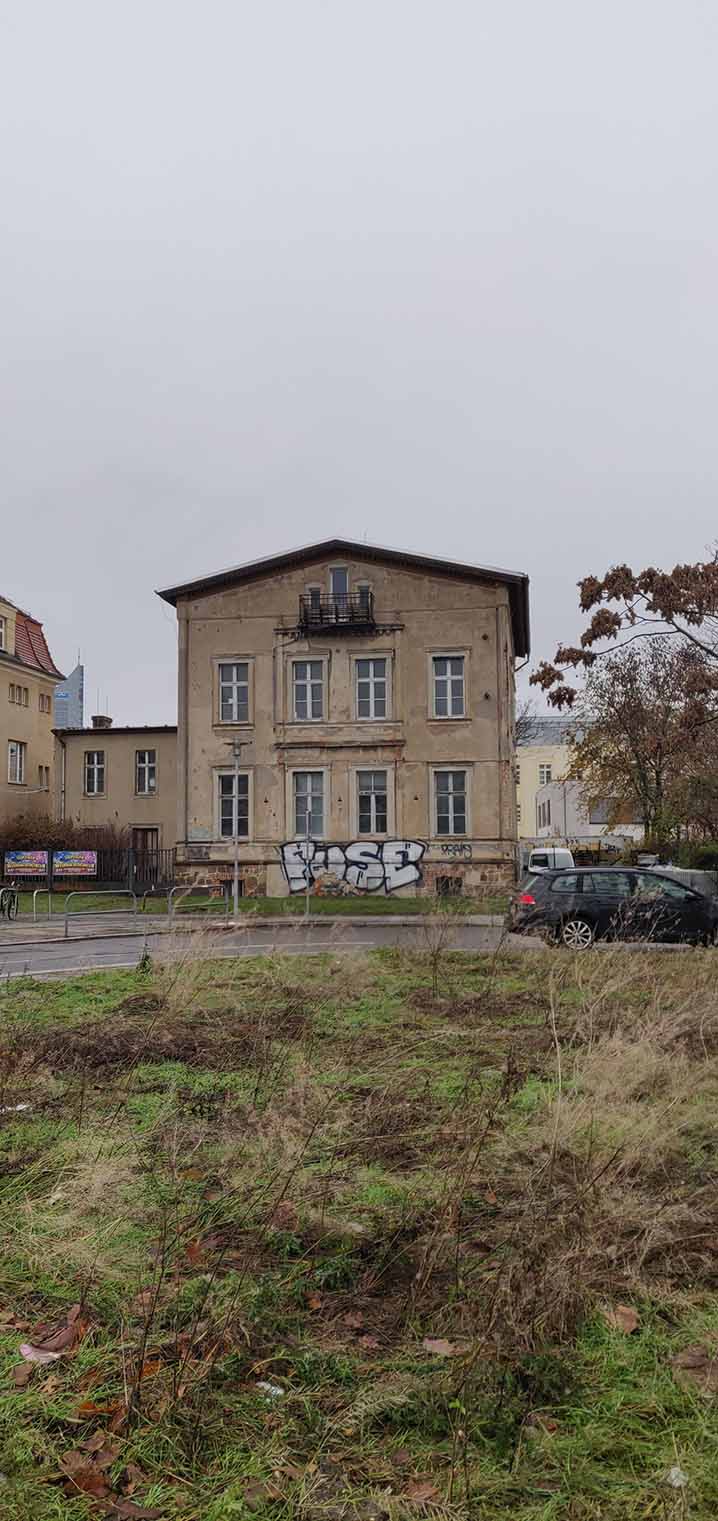
While not among the most significant examples of GDR architecture, there is a Soviet-style building adjacent to the historic Bayerischer Bahnhof that captures attention due to its current state of abandonment. Likely once used for administrative or residential purposes, the structure is a modest but telling example of the architectural vocabulary of the time. With its faded façade, symmetrical rows of windows, and stark rectangular massing, it reflects the utilitarian ethos typical of late socialist construction. Now partially overgrown and deteriorating, it stands as a forgotten fragment of Leipzig’s socialist urban fabric.
This building may not be architecturally exceptional, but it raises important questions: How should we engage with the architectural legacy of the GDR? Should these places be erased, preserved, or reimagined? As cities evolve, these spaces—though modest and marginal—offer a unique lens into the past, and potentially, a resource for thoughtful urban renewal.

 ReVivoArtistry, Inh. Stefania Molinari